AI is one of those topics that seems to divide opinion pretty quickly.
Especially in marketing, where we’re seeing more and more AI generated work appearing across campaigns, social media, advertising and even physical spaces.
Paul’s Perspective
For our Creative Director Paul, the issue isn’t really whether AI is good or bad. It’s how you use it and how it can be used as an effective tool.
When brands rely too heavily on it, the work can start to feel a bit samey. There’s a lack of the little imperfections, decisions and human details that make real design feel authentic and human led.
Good creative isn’t just about making something that looks good. It’s about capturing a vision that’s authentic and relevant to the brand itself. AI can help with parts of that process, but it can’t replace the thinking, experience and human perspective behind the work.
That doesn’t mean we should ignore it completely. As creatives, we should always be open to experimenting with new tools, seeing what they can do and whether they can have a positive impact on the work we produce. Every new technology brings different possibilities. AI can help speed up certain processes, spark ideas and open up creative avenues that might not have been possible before.
The important thing is knowing when it adds something and when it takes away from the natural creative aspects of real life design. That’s the interesting conversation around AI. Not whether we should all be using it or avoiding it, but whether it actually makes the work better.
AI is a pretty cool concept. But it shouldn’t come at the expense of the humanity that makes creative work worth looking at in the first place.
NFM Easter Campaign
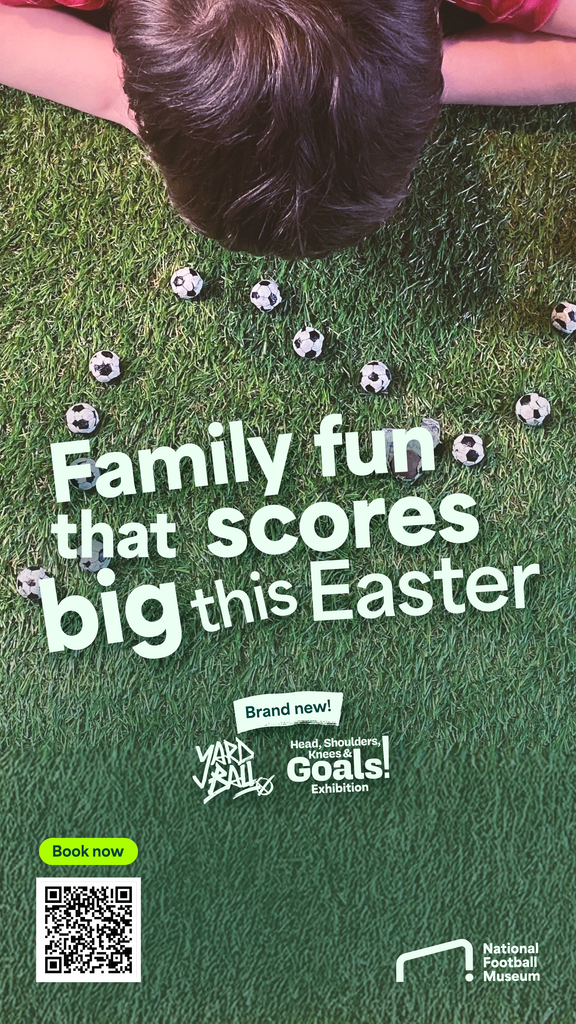

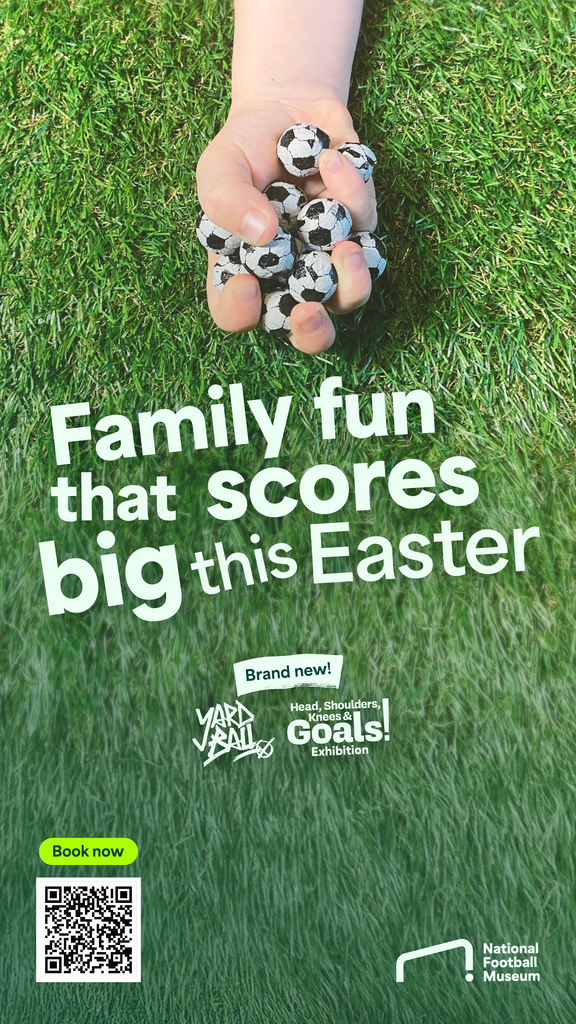
Take the National Football Museum’s Easter campaign. Instead of using AI imagery that lacked the authenticity and humanity we wanted, Paul used what was right in front of him to create something that felt genuinely representative of NFM and, perhaps more importantly, what Easter is all about for kids… chocolate.
Using nothing more than his phone, Paul captured the mischievous nature of his son and combined the photos with chocolate footballs to create a series of naturally fun concepts.
There was no overthinking it. His son genuinely wanted the chocolate, and that real moment became the starting point for a campaign that parents could relate to. The chaos of the Easter holidays, kids being off school and the simple idea of giving them somewhere fun to go.
It’s a good example of why real life can sometimes give you everything you need creatively. The idea came from something genuine, and that’s what made the final work feel so human.