Motion design and the tools available to us are constantly evolving.
With traditional motion graphics, there’s usually a focus on what happens inside the frame, from composition, timing and movement to how a designer can guide the viewer’s attention.
But with 3D animation becoming more common, it offers a different way of bringing designs to life. You’re not just thinking about what happens inside a single frame. You’re creating a whole world for products and designs to exist in.
Becca’s Perspective
For our Motion Designer Becca, exploring 3D has changed the way she thinks about animation.
With traditional motion graphics, the focus is often on designing the final composition and deciding what happens within it. 3D opens that up. Suddenly, the camera, lighting, materials and everything around the product become part of the creative process. It means thinking about the angle of the camera, the distance from the product, the lens, depth of field and how the camera moves through the scene.
Lighting can completely change how something feels too. Moving a light slightly can change the shape, reflections and overall mood of an animation, making something feel bright and playful, soft and natural or much more dramatic and premium.
Materials become just as important. It’s not simply about choosing a colour. You need to think about what something is actually made from, how glossy the surface should be, how it reacts to light and whether it feels convincing.
One of the most interesting things about 3D is how much of the final image can be influenced by things the viewer never actually sees. Objects outside the frame can affect reflections, lights that are never visible can shape the product and tiny details in the materials can change whether something feels real or artificial.
Squires Kitchen Sugar Paste
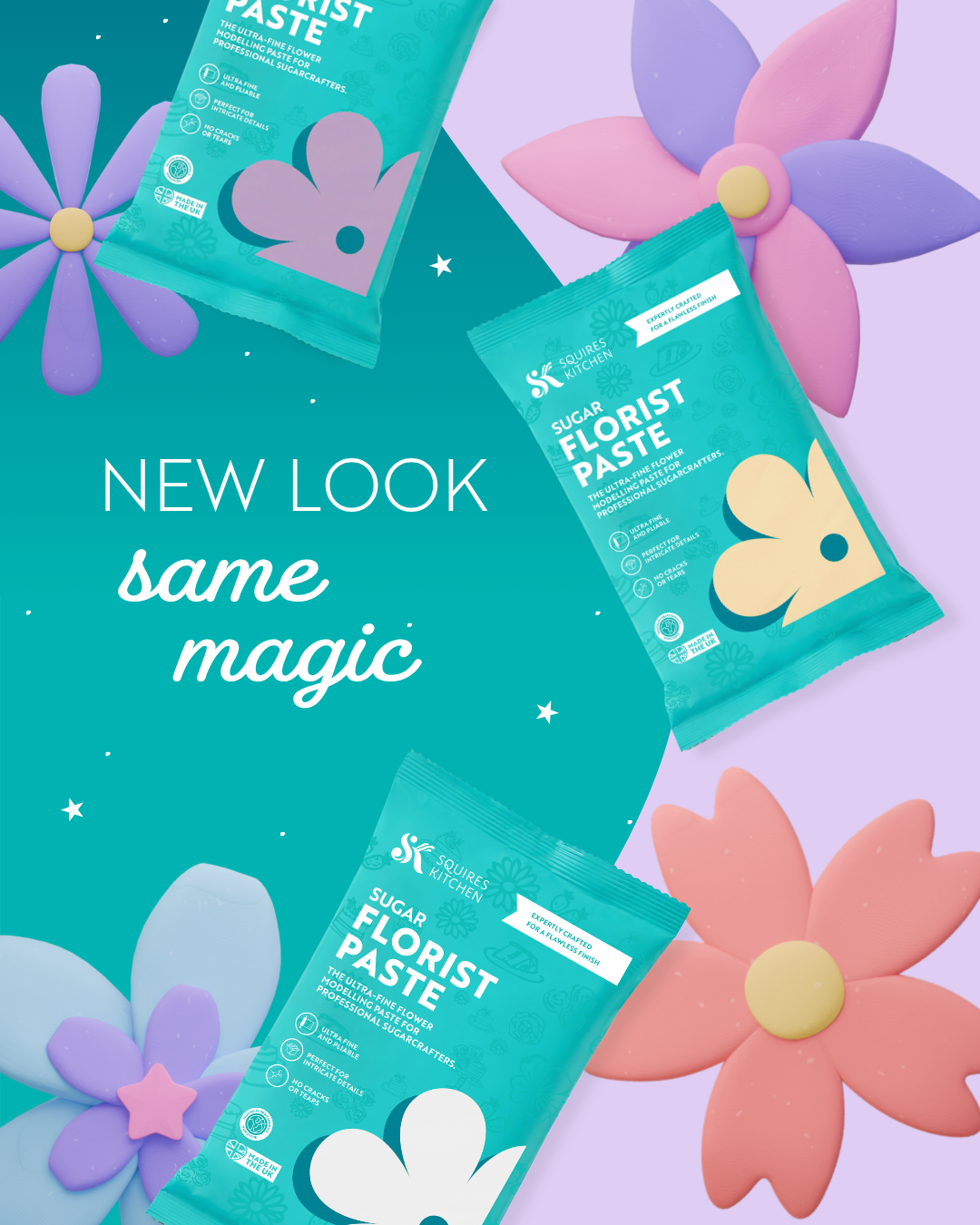
Take our work for Squires Kitchen’s sugar paste rebrand launch. The packaging already had a playful illustrated world, so we wanted to take those ideas beyond the flat pack and see what they could become in 3D.
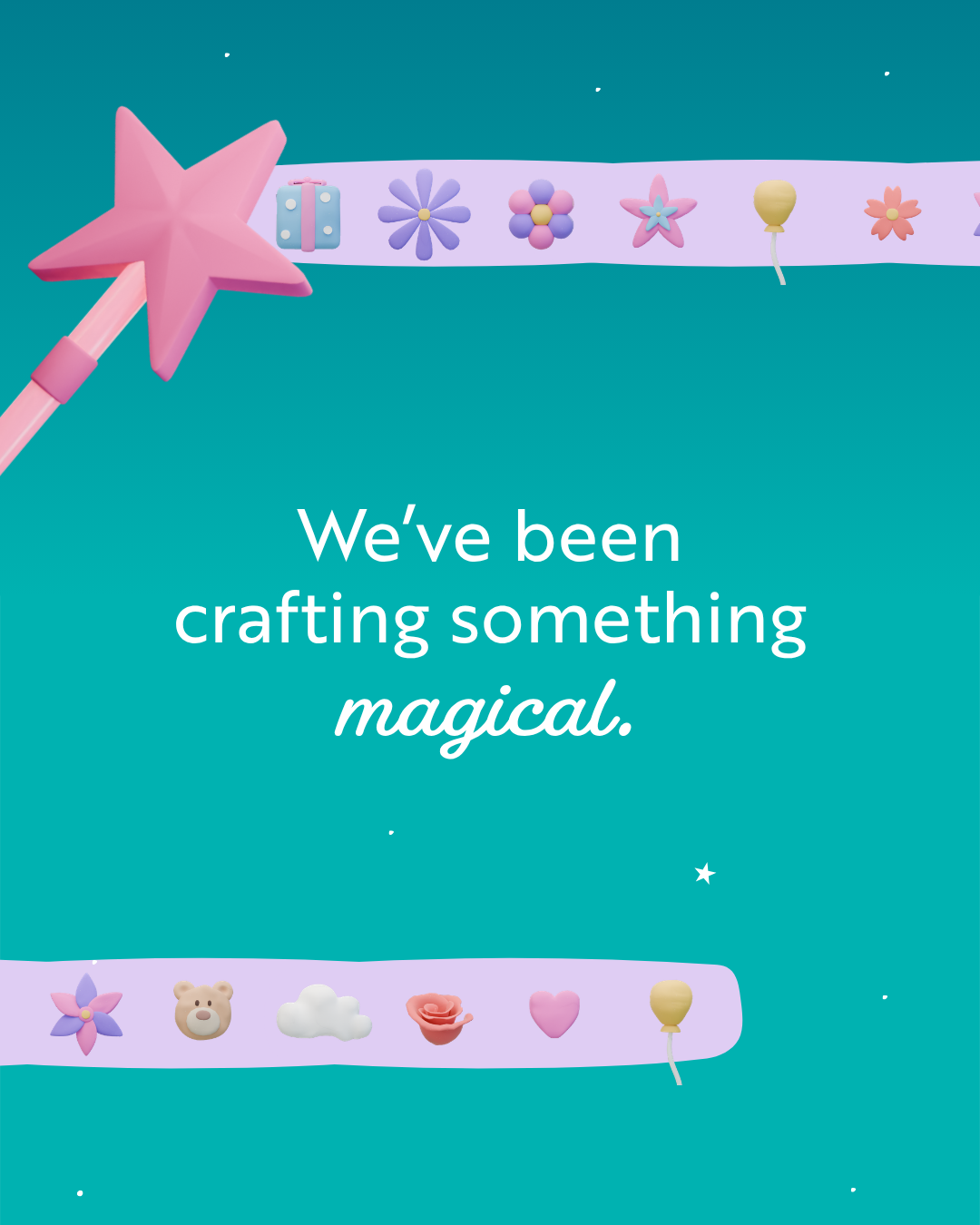
Taking the illustrations from the packaging and turning them into 3D sugar paste objects, we created a world where the designs could move beyond the flat pack and become something much more playful.
Playing on the magical theme, Becca used clay-like 3D textures inspired by the look and feel of icing to recreate the sugar paste and bring the illustrated elements into the real world. Florals, sugar paste and other details from the packaging were transformed into tactile 3D assets, giving each design its own little world to explore.
The project became about much more than animating the packaging. The materials, lighting, camera and environment all helped create the feeling we wanted, while keeping the original designs at the heart of it.
It’s a good example of why real life can sometimes give you everything you need creatively. Our designers don’t just think in pixels. They think in prints, textures and the physical details that make a design feel real. That thinking shapes our animations.
How 3D changed the way Becca thinks about animation
3D is still something Becca is exploring, but it has already changed the way she approaches motion graphics more generally. It’s made her think more about the wider environment around a design, rather than only what is immediately visible inside the frame.
And that’s perhaps the most interesting thing about 3D. It isn’t just another tool for making things move. It can change the way you think about animation altogether. It gives designers another way to think about atmosphere, perspective, lighting, materials and the world around the frame.